
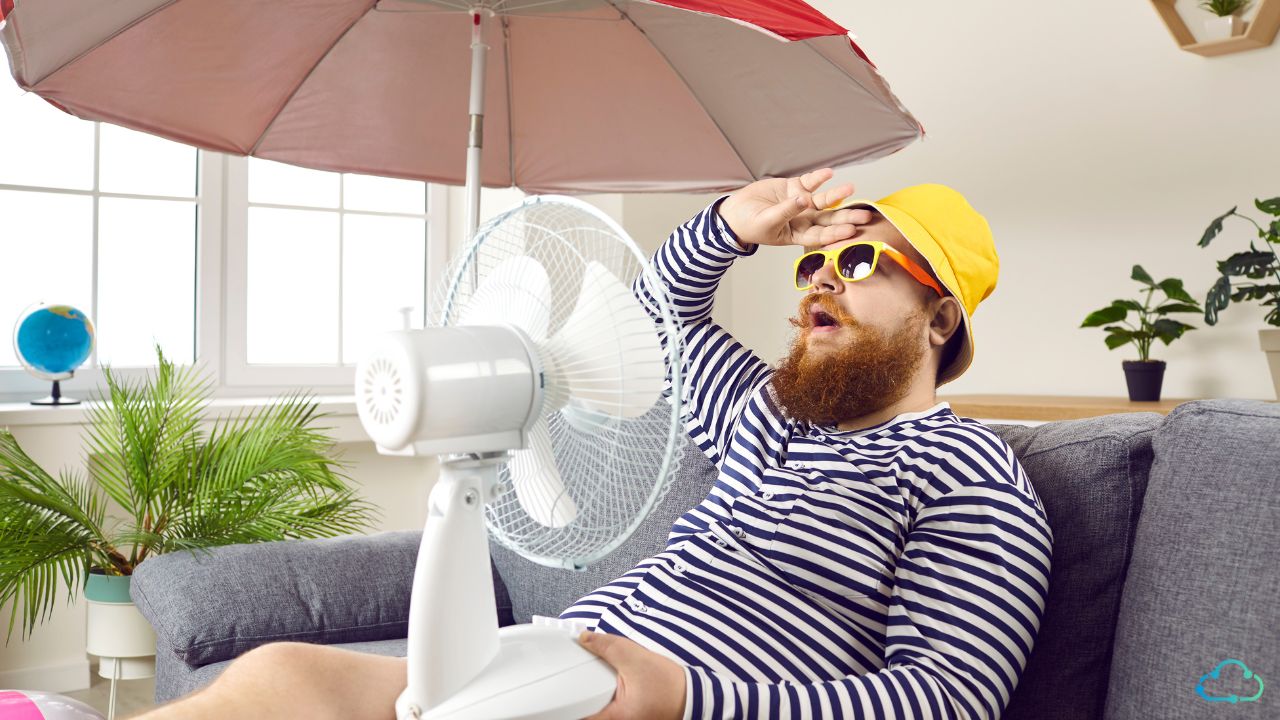
Introduction: Why Weather-Triggered Ads Are Changing the Game
The weather influences human behavior more than most marketers realize. A sunny day can inspire outdoor activities, while a sudden downpour might prompt people to order takeaway instead of going out. This link between weather and consumer behavior is exactly why weather-triggered ads have become one of the most powerful tools for digital marketers.
Using real-time weather data, brands can automatically adjust their ad creative, targeting, and budget based on current or forecasted conditions. Platforms like Meta (Facebook & Instagram) Ads and Google Ads now make it possible to run campaigns that respond instantly to local weather changes.
But while any business can use weather-based marketing, some industries benefit far more than others.
In this guide, we’ll explore the 7 industries that benefit most from weather-triggered advertising, explain why it works for each, and share practical examples you can use in your own campaigns.
What Are Weather-Triggered Ads?
Weather-triggered ads are digital campaigns that activate, pause, or adapt in real-time based on specific weather conditions. These campaigns are powered by weather API integrations that send triggers to ad platforms when certain criteria are met — such as temperature, precipitation, wind speed, or even pollen count.
Common weather triggers include:
- Temperature thresholds (e.g., above 25°C for summer campaigns)
- Rain or snow events
- Wind speed changes
- UV index levels
- Storm alerts
- Seasonal changes (first day of summer/winter)
For example, a sunscreen brand could run ads only when UV levels are high, while a snow gear retailer could activate ads right after the first snowfall in a target location.
Why Weather-Triggered Ads Work So Well
There are three main reasons why weather-based marketing is so effective:
- Relevance – Ads are shown when they are most contextually relevant, increasing click-through and conversion rates.
- Timeliness – Real-time activation ensures you’re capturing intent when it’s at its peak.
- Cost-efficiency – You can reduce wasted ad spend by only showing ads when conditions are ideal for your product or service.
1. Retail & E-commerce
Weather has a huge impact on retail sales — both online and in-store. Consumer demand for certain products can spike dramatically with just a small change in temperature or precipitation.
How it works:
- Promote raincoats, umbrellas, and waterproof footwear during rainy periods.
- Push summer clothing sales when temperatures rise above a set threshold.
- Highlight seasonal clearance items as seasons change.
Example:
An online outdoor retailer could set up Meta ads that automatically:
- Display hiking gear and breathable apparel when the temperature is mild and sunny.
- Show waterproof boots and thermal jackets when heavy rain or cold fronts are detected.
Why it works for retail:
- Shopping intent is highly responsive to weather changes.
- Seasonal campaigns can be automated to match product demand.
- Avoids wasting budget promoting items out of season or during unsuitable conditions.
Pro tip: Combine weather triggers with location targeting to ensure ads are only shown to customers in affected regions.
2. Food & Beverage
Restaurants, cafes, and food delivery services thrive on mood-based marketing, and weather plays a huge role in influencing cravings.
How it works:
- Promote hot drinks, soups, and comfort foods on cold or rainy days.
- Push ice cream, smoothies, and fresh salads during hot, sunny weather.
- Trigger happy hour ads when temperatures rise and the weekend approaches.
Example:
A pizza delivery service could:
- Run ads for family meal deals when storms hit, knowing people are less likely to go out.
- Promote cold beverage add-ons during heatwaves.
Why it works for F&B:
- Weather impacts dining choices more than almost any other factor.
- Triggers can target consumers when they are most likely to order delivery or dine out.
- Seasonal specials can be promoted at the right moment for maximum impact.
Pro tip: Pair weather triggers with dayparting (time-of-day targeting) for even greater relevance.
3. Travel & Tourism
The travel industry is highly sensitive to weather conditions, especially for activities that are dependent on outdoor experiences.
How it works:
- Advertise beach resorts and water sports packages when the forecast predicts sunny conditions.
- Promote indoor attractions when rain is on the horizon.
- Push last-minute deals during periods of good weather in nearby regions.
Example:
A regional tourism board could:
- Run Google Search ads for “weekend getaways” only when a sunny forecast is predicted.
- Trigger Facebook ads for ski resorts after the first heavy snowfall.
Why it works for travel:
- Weather strongly affects booking decisions, especially for short-term trips.
- Campaigns can respond to sudden changes, like unexpected warm weekends.
- Keeps offers relevant to the season and location.
Pro tip: Use both current and forecasted weather triggers to capture travelers before they make booking decisions.
4. Sports & Outdoor Recreation
From golf courses to surf schools, many sports and recreational activities are tied directly to the weather.
How it works:
- Promote golf course bookings when sunny weekends are predicted.
- Offer discounts on indoor sports facilities during rainy weather.
- Push kayak rental ads during calm, warm days.
Example:
A surf school could:
- Run ads for lessons and equipment rentals when wave conditions are ideal.
- Pause ads during storms or dangerous conditions to avoid wasted spend.
Why it works for sports & recreation:
- Maximizes attendance and participation during ideal weather windows.
- Encourages bookings when interest is naturally highest.
- Reduces promotion during poor conditions, protecting both safety and ROI.
Pro tip: Integrate wind speed, wave height, and UV index data for niche targeting in sports like sailing, surfing, and kitesurfing.
5. Automotive
Car dealerships, service centers, and accessory retailers can all benefit from weather-triggered campaigns.
How it works:
- Advertise all-weather tires before the rainy season.
- Promote air conditioning servicing ahead of heatwaves.
- Run car wash ads after extended periods of bad weather.
- Run airconditioning re-gas ads when it’s hot
Example:
A tire retailer could:
- Trigger ads for winter tire installations when temperatures drop below 7°C.
- Offer free vehicle inspections before severe storms are predicted.
Why it works for automotive:
- Weather changes directly influence automotive maintenance needs.
- Safety-related campaigns have higher engagement when weather risks are imminent.
- Encourages seasonal purchases and services.
Pro tip: Use weather-triggered ads to complement email or SMS reminders for recurring maintenance.
6. Home & Garden
Home improvement and garden care brands can see massive returns from weather-based targeting.
How it works:
- Promote lawn care services after rainfall to encourage growth treatments.
- Push BBQ equipment ads ahead of sunny weekends.
- Trigger storm-proofing or gutter cleaning ads before severe weather hits.
Example:
A local hardware store could:
- Run ads for outdoor furniture and patio heaters when mild evenings are predicted.
- Promote storm prep kits ahead of cyclone warnings.
Why it works for home & garden:
- Homeowners make quick purchasing decisions based on upcoming weather.
- Supports seasonal promotions and time-sensitive offers.
- Boosts foot traffic and online sales during relevant periods.
Pro tip: For maximum efficiency, combine forecast triggers with inventory management to avoid promoting out-of-stock products.
7. Health & Wellness
Weather can impact health in predictable ways, creating opportunities for well-timed promotions.
How it works:
- Advertise allergy medication when pollen counts are high.
- Promote flu shots ahead of winter cold snaps.
- Push sunscreen and skincare products during heatwaves.
Example:
A pharmacy chain could:
- Trigger ads for hydration products during high-temperature warnings.
- Promote vitamin supplements when daylight hours shorten.
Why it works for health & wellness:
- Health concerns often spike with specific weather patterns.
- Timely messaging builds trust and positions the brand as proactive.
- Increases product sales during peak demand periods.
Pro tip: Use micro-targeting to reach high-risk demographics during relevant weather conditions.
Best Practices for Weather-Triggered Ads
- Start with one or two triggers – Avoid overcomplicating your setup initially.
- Use hyper-local targeting – Weather can vary drastically even within a single city.
- Align creatives with conditions – Swap out visuals and copy to match the weather.
- Combine with audience data – Weather relevance plus behavioral targeting is a powerful mix.
- Test and optimize – Monitor CTR, conversion rates, and ROAS for different conditions.
Conclusion: Timing Is Everything in Marketing
For the industries listed above, weather-triggered ads can mean the difference between a wasted impression and a profitable conversion. By aligning your marketing with what’s happening outside, you ensure your brand stays relevant, timely, and engaging.
Whether you’re selling raincoats, resort packages, sports lessons, or sunscreen, weather-based marketing gives you the edge in reaching customers when they’re most likely to act.