
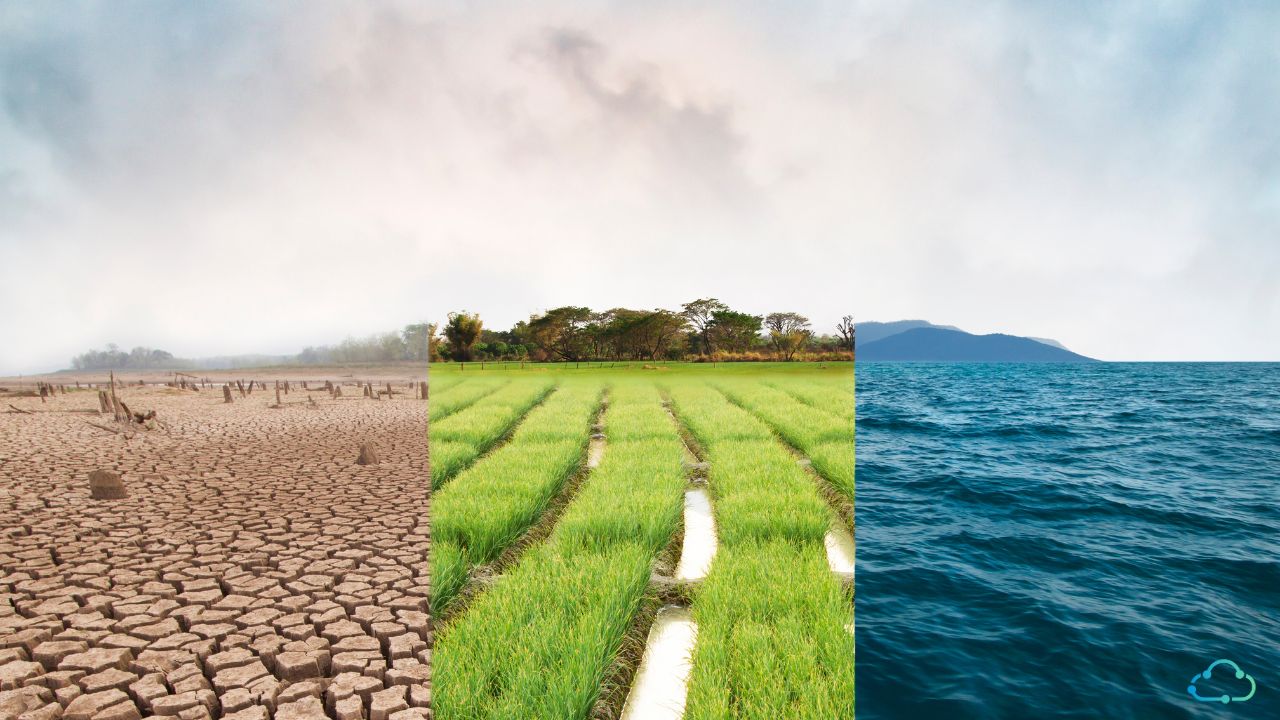
The advertising industry has always been about reading the room—understanding what consumers want, when they want it, and how they want to hear about it. But what happens when the room itself is changing? As climate change accelerates, bringing more frequent heatwaves, devastating bushfires, unprecedented floods, and unpredictable weather patterns, it’s fundamentally reshaping not just our physical world, but the psychological and behavioral landscape in which advertising operates.
While headlines focus on melting ice caps and carbon emissions, a quieter revolution is taking place in conference rooms and creative studios around the world. Advertisers are discovering that climate change isn’t just another trend to capitalize on—it’s a force that’s rewriting the rules of consumer engagement, forcing brands to develop entirely new playbooks for a world where the only constant is change itself.
The New Reality: When Weather Becomes Strategy
Traditional advertising has long operated on predictable seasonal cycles. Summer meant promoting cold beverages and beach vacations. Winter brought campaigns for cozy clothing and hot chocolate. But these comfortable assumptions are crumbling as climate patterns become increasingly erratic.
In Australia, the 2019-2020 bushfire season didn’t just destroy homes and habitats—it incinerated carefully planned summer advertising campaigns. Brands that had invested millions in cheerful outdoor adventure campaigns suddenly found their messaging tone-deaf against a backdrop of orange skies and mass evacuations. Similarly, unprecedented flooding in Germany and Belgium in 2021 forced companies to pull automotive ads showing cars splashing through puddles—imagery that had suddenly become traumatic rather than playful.
This isn’t simply about pulling inappropriate ads during disasters anymore. It’s about recognizing that the frequency and intensity of these events require a fundamental shift in how advertising strategies are conceived, planned, and executed. The old model of annual planning with quarterly reviews is giving way to dynamic, real-time response systems that can pivot within hours rather than weeks.
Marketing departments are now maintaining what some call “climate contingency campaigns”—alternative creative assets and messaging strategies that can be deployed when extreme weather events strike. A beverage company might have three different summer campaigns ready: one for normal conditions, one for extreme heat warnings, and one for unexpected cold snaps or excessive rainfall. This multiplication of creative work and strategic planning represents a hidden cost of climate change that rarely makes it into economic impact assessments.
The Psychological Shift: Understanding the Climate-Conscious Consumer
Perhaps more profound than the operational challenges are the psychological shifts occurring in consumer populations worldwide. Climate anxiety, once dismissed as a niche concern, has become a mainstream phenomenon that shapes purchasing decisions across demographics.
Young consumers, particularly Gen Z and younger Millennials, don’t just prefer sustainable brands—they actively investigate and challenge corporate environmental claims. The rise of “greenwashing” as a commonly understood term reflects a new level of consumer sophistication and skepticism. These audiences can spot performative environmentalism from a mile away, and they’re not afraid to call it out on social media, turning poorly conceived campaigns into PR disasters within hours.
But it’s not just younger consumers driving this shift. Climate change has created a new form of experiential learning that crosses generational boundaries. The homeowner who lived through a flood thinks differently about insurance advertising. The parent who kept children indoors during wildfire smoke warnings has a visceral reaction to health and safety messaging. The retiree who experienced heat-related health issues pays different attention to cooling product advertisements.
This lived experience of climate change creates what psychologists call “availability bias”—people overweight the probability of events they can easily recall. For advertisers, this means consumers are increasingly receptive to messages about preparation, resilience, and adaptation, but increasingly skeptical of messaging that ignores or minimizes climate realities.
The Rise of Responsive Advertising Technologies
The advertising industry’s response to these challenges has accelerated the adoption of sophisticated technologies that would have seemed like science fiction just a decade ago. Real-time data integration now allows campaigns to adjust automatically based on local weather conditions, air quality indices, and even disaster warnings.
Programmatic advertising platforms now incorporate climate and weather APIs as standard features. A sunscreen brand can automatically increase ad spend in regions experiencing heat waves while pulling back in areas under flood warnings. A home improvement retailer can pivot from promoting garden furniture to emergency supplies based on forecast models. These systems operate at a speed and scale impossible for human managers to match, making split-second decisions across thousands of geographic micro-markets.
But technology alone isn’t the answer. The most successful campaigns combine automated responsiveness with human creativity and empathy. During the 2023 Canadian wildfire season, which sent smoke across much of North America, smart brands didn’t just pause their outdoor activity advertising—they pivoted to promoting indoor air quality products, virtual fitness solutions, and content about staying healthy during air quality emergencies. This required not just technological capability but strategic foresight and creative agility.
Product Positioning in a Climate-Altered World
Climate change isn’t just changing how products are advertised—it’s changing what products need to be advertised and how they’re positioned in the market. Air conditioning manufacturers are expanding into traditionally temperate markets as heat waves become more common. Insurance companies are developing new products for climate-related risks and need to explain complex coverage options to anxious consumers. Even fashion brands are reconsidering their traditional seasonal collections as weather patterns become less predictable.
The automotive industry provides a particularly stark example of this shift. Electric vehicle advertising has evolved from emphasizing environmental benefits to focusing on resilience and independence. During power outages caused by extreme weather, EVs with bidirectional charging capabilities become backup power sources for homes. This transformation from transportation to survival tool represents a fundamental shift in product positioning driven by climate realities.
Food and beverage companies are similarly adapting their positioning strategies. Products once marketed as indulgences are being reframed as practical solutions. Ice cream brands emphasize their role in heat relief. Bottled water companies pivot from lifestyle messaging to emergency preparedness. Coffee brands highlight their support for climate-resilient farming practices, knowing consumers increasingly worry about the future availability of their morning cup.
The Authenticity Imperative
In this new landscape, authenticity has become not just valuable but essential. Consumers exposed to climate impacts have developed highly sensitive radar for corporate hypocrisy. A single investigative report revealing a company’s lobbying against climate action can destroy years of carefully crafted sustainable branding.
This has led to what some industry observers call “radical transparency” in advertising. Brands are learning that acknowledging their own climate challenges and adaptation efforts resonates more strongly than claiming to have all the answers. Patagonia’s famous “Don’t Buy This Jacket” campaign, which urged consumers to consider the environmental impact of their purchases, seemed counterintuitive but established a new gold standard for authentic environmental messaging.
The authenticity imperative extends beyond environmental claims to encompass how brands respond to climate disasters. Performative solidarity—changing a logo or posting a supportive message—no longer suffices. Consumers expect tangible action: disaster relief, support for affected employees, and long-term commitment to affected communities. Brands that fail to back up their sympathetic advertising with meaningful action face swift and severe backlash.
Regional Complexity and Global Campaigns
Climate change affects different regions in dramatically different ways, adding layers of complexity to global advertising campaigns. A message that resonates in drought-stricken California might fall flat in flood-prone Bangladesh. A campaign celebrating outdoor summer activities might work in Stockholm but seem dystopian in Phoenix.
This regional variation has forced multinational brands to abandon one-size-fits-all global campaigns in favor of locally nuanced messaging. But this isn’t simply about translation or cultural adaptation anymore—it’s about recognizing fundamentally different climate realities and their psychological impacts on local populations.
Some brands are turning this challenge into an opportunity, creating campaigns that explicitly acknowledge regional climate differences. A global apparel brand might simultaneously advertise cooling fabrics in heat-stressed regions while promoting adaptive layering systems in areas experiencing more variable weather. This approach requires sophisticated market segmentation and creative execution but can build stronger connections with locally affected consumers.
The Evolution of Crisis Communication
The increasing frequency of climate-related disasters has transformed crisis communication from an occasional necessity to a core competency for advertisers. Brands must now maintain always-ready crisis response protocols that can activate within hours of a climate disaster.
But modern crisis communication goes beyond simply pausing inappropriate ads or expressing sympathy. Leading brands are developing what might be called “constructive crisis messaging”—advertising that provides genuine value during emergencies. This might include using ad space to share emergency information, converting social media campaigns into resource coordination platforms, or pivoting brand apps to provide disaster-specific functionality.
During the 2023 Hawaii wildfires, several major brands demonstrated this evolution. Instead of simply pulling their tropical paradise tourism ads, they redirected their advertising budgets to promote relief efforts, share missing person information, and provide practical resources for evacuation and recovery. This approach transformed potential PR disasters into demonstrations of corporate citizenship.
The Data Revolution
Climate change has made weather data as valuable to advertisers as demographic information. Modern campaigns incorporate multiple data streams: historical weather patterns, climate projections, disaster frequency models, and even climate migration patterns. This data influences everything from media buying decisions to creative development to product launch timing.
Advanced analytics now help brands identify “climate moments”—specific conditions that trigger heightened consumer receptivity to certain messages. A home improvement brand might identify that consumers are most likely to invest in resilience upgrades not immediately after a disaster, but several weeks later when insurance claims are being processed and the emotional shock has begun to fade.
This data-driven approach extends to measuring campaign effectiveness in climate-affected markets. Traditional metrics like reach and engagement are being supplemented with resilience indicators: How quickly did the brand respond to changed conditions? How well did the message align with local climate realities? Did the campaign contribute to community preparedness or recovery?
Sustainability as a Creative Driver
Rather than viewing climate change solely as a constraint, innovative advertisers are discovering it as a source of creative inspiration. Campaigns that help consumers adapt to climate realities while maintaining optimism and agency are resonating strongly across markets.
The Japanese concept of “adapting to live with nature” rather than controlling it is influencing global advertising strategies. Campaigns increasingly celebrate resilience, community support, and adaptive innovation rather than promoting dominance over nature or ignoring environmental limits. This shift represents a fundamental change in advertising’s emotional register—from aspiration and escapism to empowerment and preparation.
Some brands are going further, using their advertising platforms to educate consumers about climate adaptation. A insurance company’s campaign might include practical tips for home climate-proofing. A clothing brand might explain the science behind adaptive fabrics. A food company might share information about climate-resilient nutrition. This educational approach builds trust while providing genuine value to climate-concerned consumers.
The Economic Imperative
The financial implications of climate change for advertising extend far beyond increased production costs for multiple campaign versions. Climate impacts are redistributing consumer spending power, altering market sizes, and creating entirely new product categories while obsoleting others.
Advertising budgets themselves are being affected by climate volatility. Companies facing climate-related supply chain disruptions may suddenly need to pull advertising for products they can’t deliver. Alternatively, brands may need to rapidly increase advertising spend to move climate-vulnerable inventory before extreme weather events. This volatility makes traditional budget planning increasingly difficult, forcing companies to maintain larger reserves and more flexible spending frameworks.
The cyber insurance industry’s advertising evolution illustrates these economic shifts. Once a niche product advertised primarily to IT professionals, cyber insurance has become essential as climate disasters increasingly trigger cascading digital infrastructure failures. The advertising challenge isn’t just reaching a new audience—it’s explaining complex climate-cyber risk interactions to consumers who may not understand either domain well.
Looking Ahead: Advertising in 2030 and Beyond
As we look toward the future, several trends seem likely to accelerate. Hyper-local advertising will become the norm rather than the exception, with campaigns automatically adjusting not just to cities or neighborhoods but to individual blocks based on microclimate data. Virtual and augmented reality advertising will allow brands to maintain aspirational messaging while acknowledging climate realities—imagine promoting a beach resort through VR experiences when actual beach conditions are unsuitable.
Artificial intelligence will play an increasingly central role, not just in campaign optimization but in creative development itself. AI systems trained on climate data, consumer psychology, and creative effectiveness will generate thousands of campaign variations optimized for specific climate conditions and their psychological impacts. Human creativity will focus on strategy and emotional resonance while AI handles the complex logistics of climate-responsive advertising.
We’re also likely to see the emergence of new advertising formats designed specifically for climate-altered realities. Emergency broadcast advertising systems that activate during disasters. Resilience product placement in entertainment content. Predictive advertising that promotes adaptation products before climate impacts occur. These new formats will blur the lines between advertising, public service, and emergency management.
Conclusion: The Quiet Revolution Continues
Climate change is reshaping advertising in ways both obvious and subtle, immediate and long-term. While the industry has always prided itself on reflecting and shaping culture, it now faces the challenge of operating in a physically and psychologically altered world where old assumptions no longer hold.
The brands that thrive in this new reality will be those that view climate change not as a temporary disruption to be weathered but as a fundamental shift requiring new strategies, technologies, and creative approaches. They will balance authenticity with aspiration, global reach with local relevance, and commercial objectives with genuine social value.
As extreme weather events become more frequent and severe, as consumer psychology continues to evolve, and as new technologies enable ever more sophisticated responses, the advertising industry’s climate transformation will only accelerate. The question isn’t whether advertising will adapt to climate change—it’s already happening. The question is which brands will lead this transformation and which will be left behind, still trying to sell summer fun while the world burns and floods around them.
The quiet revolution in advertising may not make headlines like melting glaciers or historic hurricanes, but it represents a profound shift in how humanity’s most powerful persuasion tool operates. In adapting to climate change, advertising isn’t just changing its tactics—it’s reimagining its fundamental purpose in a world that desperately needs new stories about how to live, thrive, and find meaning on a changing planet. The industry that once sold us endless consumption is learning to sell resilience, adaptation, and hope. In that transformation lies both challenge and opportunity, both responsibility and possibility.